New publication from ETSC: Improving the safety of cycling in Europe

On 21 April 2026, the European Transport Safety Council (ETSC) published a new PIN Flash 50 report titled “Improving the safety of cycling in Europe”. This marks the organisation’s first in-depth analysis of cycling safety in six years.

Cycling plays an increasingly important role in Europe’s transport systems. It contributes to healthier populations, more liveable cities, and progress towards climate and environmental goals. Across Europe, governments are encouraging a shift from private car use to more sustainable modes of transport, including walking, cycling, and public transport. In this context, cycling has become a key component of policies aimed at reducing greenhouse gas emissions, improving air quality, making more efficient use of land, and addressing congestion in urban areas.

The report analyses recent trends in cyclist fatalities and serious injuries across Europe and identifies the main risk factors affecting cyclists on European roads. It also examines policies and measures that can improve cycling safety while supporting the continued growth of cycling as a safe, healthy, and sustainable mode of transport.

The full report is available at this link.
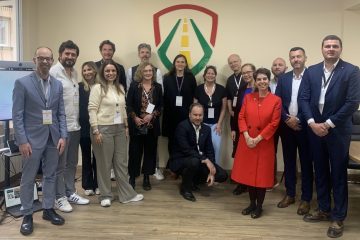
FERSI General Assembly (Sofia, 21-22 April 2026)

The FERSI General Assembly took place in Sofia, Bulgaria, on 21–22 April 2026, hosted by the Bulgarian State Agency for Road Safety (SARS). The meeting brought together members to discuss organisational matters, exchange research insights, and define future strategic directions.

The Assembly opened with an overview of the road safety situation in Bulgaria, highlighting ongoing national efforts to improve safety performance. Key administrative and financial updates confirmed a stable financial position, with a strong cash balance and limited risk. Members also discussed governance aspects and opportunities to further strengthen the structure and functioning of the association.

A central component of the meeting was the exchange of ongoing research activities and projects among members. Presentations covered a wide range of topics, including innovative traffic orchestration and automation (CARMONY – CERTH), traffic safety culture and behavioural approaches (TRUST – KFV), enforcement strategies and repeat offending (All for Zero – VIAS), and infrastructure safety and human factors research (TØI, BASt, SWOV).

A dedicated session also focused on the role of infrastructure in enabling safe automated mobility (BFU), alongside the presentation of survey results on financial sanctions for traffic offences (VIAS). Updates were also shared on FERSI Working Groups, ARSANet activities, and recent surveys conducted across member countries, providing valuable insights into road safety trends and research priorities at European level.

The second day focused on future initiatives, including FERSI’s involvement in upcoming European research collaborations, new funding opportunities, the potential organisation of a FERSI Conference in 2027–2028, and the renewal of FERSI’s website to enhance communication and visibility. The programme concluded with a round table involving all participants, fostering open discussion and exchange among members.

The General Assembly in Sofia reaffirmed FERSI’s commitment to strengthening cooperation, promoting high-quality research, and supporting evidence-based road safety policies across Europe.